

From Damp to Done: Your Guide to Mold Remediation in Staunton
Does your home smell musty even after you clean it? Have you found dark spots near a window, under a sink, or inside your basement? These small clues may point to a larger moisture problem.
We understand how stressful mold can feel. You may be worried about your family, your property, and the cost of fixing the problem. You may not even know where to begin.
The good news is that mold can be handled. In this guide, we explain how to spot the warning signs, what mold remediation in Staunton involves, and how to help keep mold from returning.
Is Mold Hiding in Your Staunton Home?
Mold is a type of fungus that is found almost everywhere. It becomes a problem indoors when its spores land on a damp surface and begin to grow.
According to the U.S. Environmental Protection Agency, moisture control is the key to mold control. Wet materials should be dried within 24 to 48 hours whenever possible. Waiting longer may give mold time to grow.
Common moisture sources include:
- Leaking roofs or pipes
- Wet basements and crawl spaces
- Flooding or appliance leaks
- Poor bathroom ventilation
- Condensation around windows
- High indoor humidity
- Clogged gutters or drainage problems
Mold is not always easy to see. It can grow behind drywall, under flooring, inside cabinets, or near heating and cooling equipment.
Watch for these warning signs:
- A musty or earthy odor
- Black, green, white, or brown spots
- Peeling paint or bubbling wallpaper
- Warped wood or stained ceilings
- Damp carpet or drywall
- Condensation that keeps coming back
- Allergy-like symptoms that seem worse indoors
The Centers for Disease Control and Prevention explains that damp and moldy spaces may cause stuffy noses, coughing, wheezing, irritated eyes, or skin rashes in some people. People with asthma, mold allergies, weakened immune systems, or long-term lung conditions may be more sensitive.
These symptoms can have many causes, so mold should not be treated as a medical diagnosis. Speak with a healthcare professional if you have health concerns.
What Does Mold Remediation in Staunton Involve?
Mold remediation means more than wiping away a stain. A complete plan should address the mold, the affected materials, and the moisture that allowed the problem to begin.
Here is what the process may include.
1. Find the Source of Moisture
Before treating mold, it is important to find out why the area became damp. A leaking pipe, roof problem, wet foundation, or high humidity may be feeding the growth.
If the moisture source is not fixed, the mold may return—even after the visible spots are cleaned.
2. Inspect the Property
A careful inspection can help identify visible damage, damp areas, and places where mold may be hiding.
Not every home needs laboratory testing. The EPA notes that testing is often unnecessary when mold is already visible. However, professional mold inspection and testing may be helpful when the source is unclear, hidden growth is suspected, or more information is needed to plan the work.
3. Decide Whether Professional Help Is Needed
The EPA says that homeowners can often handle an area smaller than about 10 square feet, or roughly a three-foot-by-three-foot patch, if the water source is clean and the person can follow proper safety steps.
Professional help is a smart choice when:
- Mold covers a large area
- Mold keeps returning
- The growth may be inside walls or an HVAC system
- The damage came from sewage or contaminated water
- Several rooms are affected
- Porous materials are badly damaged
- Someone in the home has serious health concerns
- You are not sure how far the problem has spread
Do not paint or caulk over mold. That only hides the warning sign. Large areas should not be scrubbed or disturbed without a plan because this can send more spores into the air.
4. Treat the Mold and Affected Areas
The right treatment depends on the property and the materials involved. Some hard surfaces can be cleaned and dried. Moldy carpet, ceiling tiles, insulation, or drywall may need to be removed when they cannot be cleaned fully.
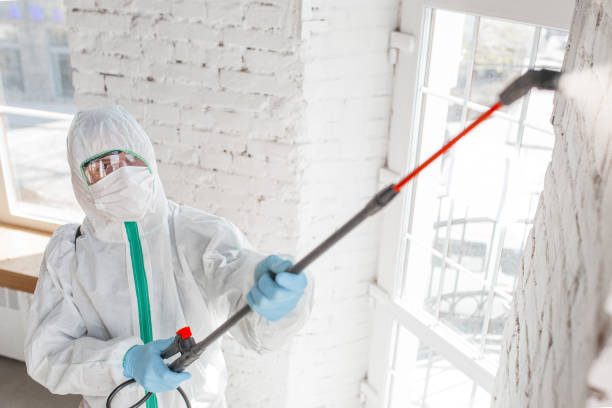
At Pure Maintenance of the Blue Ridge, our mold remediation process uses a two-step dry-fog method designed to treat airborne and surface mold with less disruption than many traditional methods. In many cases, the fog can reach difficult spaces without major demolition.
Every mold problem is different. Materials with serious water damage or structural problems may still need to be removed or repaired. We evaluate the property before recommending a treatment plan.
You can also learn how our approach compares with traditional methods on our old systems versus new technology page.
5. Make Sure the Area Stays Dry
A remediation job is not truly finished until the moisture problem has been corrected.
The EPA’s mold cleanup guidance says that visible mold and moldy odors should no longer be present after cleanup. The treated area should also remain dry and show no new signs of growth.
Simple Ways to Help Prevent Mold
You cannot remove every mold spore from a building. Mold spores naturally move through indoor and outdoor air. What you can do is make your home less welcoming to mold by controlling moisture.
Start with these practical steps:
- Fix leaks quickly. Check pipes, sinks, roofs, appliances, and windows for dripping water.
- Dry wet areas within 24 to 48 hours. Remove standing water and use safe drying methods as soon as possible.
- Watch your indoor humidity. The EPA recommends keeping relative humidity below 60%, with 30% to 50% being ideal when possible. A small humidity meter can help you track it.
- Use bathroom and kitchen fans. Make sure these fans move humid air outdoors rather than into an attic.
- Run a dehumidifier when needed. Basements and other damp spaces may need extra help during humid weather.
- Keep gutters and downspouts clear. Move rainwater away from the foundation.
- Check stored items. Cardboard boxes, fabric, paper, and furniture can hold moisture, especially in basements.
- Do not ignore musty odors. A smell without a visible stain may mean moisture or mold is hiding nearby.
- Check after storms or plumbing problems. A dry-looking surface may still have moisture underneath it.
- Ask for help when you are unsure. Finding the problem early may prevent it from spreading.
If you use a household cleaning product on a small area, always read the label. Never mix bleach with ammonia or other cleaners because the mixture can create dangerous gas. Wear suitable gloves and eye protection, and keep the area ventilated.
Why Professional Mold Remediation Is Worth It
Trying to solve a mold problem by guesswork can be frustrating. A stain may disappear, only to return a few weeks later. A musty smell may stay even after hours of cleaning.
Professional mold remediation can provide:
- A clearer plan: An inspection helps identify affected areas and likely moisture sources.
- Less guesswork: You receive recommendations based on the actual condition of the property.
- Better coverage: Professional treatment can reach areas that are easy to miss.
- Less disruption: Our dry-fog process is designed to reduce the need for large tear-outs in many situations.
- Property protection: Fast action may limit damage to walls, floors, furniture, and personal items.
- Greater peace of mind: You can move forward knowing that the problem has been carefully evaluated.
For answers about preparing your property and what to expect during treatment, visit our frequently asked questions.
Go From Damp to Done With Pure Maintenance
A small damp spot can be easy to dismiss, but mold problems rarely improve when the moisture is left alone. The sooner you find the source and choose the right solution, the sooner you can feel comfortable in your space again.
Pure Maintenance of the Blue Ridge provides mold removal and remediation in Staunton, as well as mold inspection and testing, pathogen removal, and odor removal throughout the Blue Ridge region.
If you see mold, notice a musty smell, or recently had water damage, let us take a closer look. Contact Pure Maintenance of the Blue Ridge to request your free estimate, or call (540) 208-2271 today.
Let’s take your property from damp to done.