

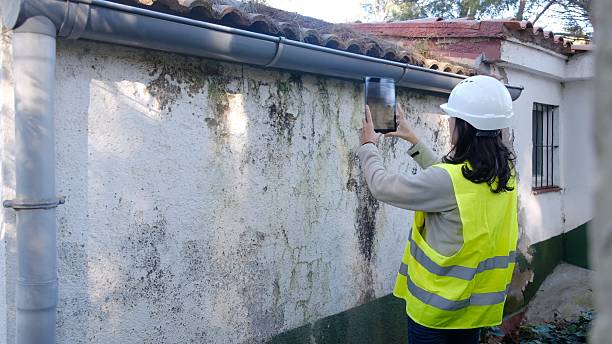
Is That Musty Smell Mold? 7 Signs You Need a Mold Inspection
Have you ever walked into a room and noticed a damp, earthy smell that refuses to leave? You clean the carpet, take out the trash, and open the windows—but the odor keeps coming back.
We understand how frustrating and worrying that can be. When you cannot see the source, it is easy to wonder whether something may be hiding behind your walls or under your floors.
At Pure Maintenance of the Blue Ridge, we help homeowners find answers. In this guide, we will explain seven common signs of mold, what you can do right now, and when it may be time to schedule a professional mold inspection.
Why You Should Not Ignore a Musty Smell
Mold needs moisture to grow. We often find it near leaky pipes, damp basements, roof leaks, wet carpets, and rooms with poor airflow. Mold may also hide behind drywall, under flooring, or above ceiling tiles.
According to the Environmental Protection Agency, wet materials should be dried within 24 to 48 hours to help prevent mold growth. The EPA also warns that mold can slowly damage the materials it grows on.
A musty odor does not always mean you have mold. However, it is a clue worth checking—especially if the smell is strong, keeps returning, or gets worse after rain.
7 Signs You Need a Mold Inspection
1. A Musty Smell That Keeps Coming Back
Mold often has a stale, damp, or earthy smell. Some people compare it to wet socks, old books, or a basement that has been closed for too long.
Try to notice where the odor is strongest. Does it come from a bathroom, crawl space, closet, basement, or air vent? If cleaning and airing out the room do not help, hidden mold or trapped moisture may be the cause.
Our team can inspect the area and help find the source instead of simply covering the smell.
2. Spots or Stains on Walls and Ceilings
Mold does not always look the same. It may appear as black, green, white, brown, or gray spots. It can look fuzzy, dusty, slimy, or even like a simple stain.
We recommend checking areas around:
- Windows and doors
- Sinks and toilets
- Showers and bathtubs
- Air vents
- Baseboards
- Attics and crawl spaces
- Water heaters and washing machines
Do not simply paint over a suspicious spot. Paint may hide the stain for a while, but it will not solve the moisture problem underneath.
3. A Recent Leak, Flood, or Water Problem
A burst pipe is easy to notice. A slow leak behind a wall is much harder to find.
We often recommend a mold inspection after:
- A roof or plumbing leak
- A flooded basement
- An overflowing sink or bathtub
- Water entering a crawl space
- A broken appliance hose
- Storm or drainage damage
Even when a surface feels dry, moisture may still be trapped inside walls, insulation, carpet padding, or wood. Our inspection process helps us look beyond what is easy to see.
4. High Humidity or Constant Condensation
Do your windows often look foggy? Do your pipes “sweat”? Does your bathroom stay damp long after a shower?
These are signs that your home may have too much moisture. The EPA recommends keeping indoor humidity below 60%, with 30% to 50% being ideal when possible.
We suggest using a small humidity meter to check the air. You can also reduce moisture by running exhaust fans, using a dehumidifier, and repairing leaks quickly.
5. Allergy-Like Symptoms at Home
Some people notice a stuffy nose, coughing, wheezing, itchy eyes, or skin irritation in damp or moldy spaces. These symptoms can have many causes, so they do not prove that mold is present.
However, pay attention if the symptoms get worse in one room or improve when you leave the building. The Centers for Disease Control and Prevention says people with asthma, mold allergies, weak immune systems, or chronic lung conditions may be more sensitive to mold.
We can inspect your home, but we cannot diagnose health problems. Please speak with a healthcare professional if you have concerns about your symptoms.
6. Peeling Paint, Soft Drywall, or Warped Floors
Sometimes the first sign of mold is really a sign of hidden water damage.
Watch for:
- Bubbling or peeling paint
- Yellow or brown ceiling stains
- Crumbling drywall
- Swollen baseboards
- Warped wood or flooring
- Loose wallpaper
- Damp carpet
These changes may mean moisture is getting into places where it does not belong. We can help identify the affected areas so you can address the problem before more damage occurs.
7. You Are Buying, Selling, or Renovating a Home
A standard home inspection may not uncover every moisture or mold problem.
We recommend considering a separate mold inspection when a property has a musty smell, old water stains, a damp crawl space, or a history of leaks. An inspection may also be helpful before opening walls during a renovation. Disturbing hidden mold may release spores into the air.
We can help you get clearer information before you buy, sell, or begin construction. Finding a problem early can make planning much easier.
What to Do When You Suspect Mold
You do not need to panic. Start with these safe and simple steps:
- Look for moisture. Check under sinks, around appliances, near windows, and below visible stains.
- Stop active leaks. Repair plumbing, roof, or drainage problems as soon as possible.
- Lower the humidity. Use exhaust fans, air conditioning, or a dehumidifier when needed.
- Avoid disturbing hidden areas. Do not tear down drywall or pull up flooring if you suspect a large mold problem underneath.
- Take photos and notes. Record stains, odors, leaks, and when you first noticed the problem.
- Call us for a professional mold inspection. We can help when the source is hidden, the mold keeps returning, or the affected area appears large.
The EPA says many small mold areas—less than about 10 square feet—can often be handled by homeowners who follow the correct safety steps. Larger areas, sewage-related damage, possible HVAC contamination, and major water damage may require professional help.
How Our Professional Mold Inspection Can Help
When you invite us into your home, our goal is to replace worry and guesswork with useful information.
We look for visible growth, water damage, excess moisture, and conditions that may allow mold to return. We also work to identify the moisture problem behind the mold—not just what is visible on the surface.
Testing is not needed in every situation. When testing is useful, we offer air-quality and tape testing. Our air samples are analyzed by an independent laboratory, while tape samples can help identify visible mold growth.
Our mold inspection and testing services may help you:
- Find mold that may be hidden from view
- Locate the moisture feeding the problem
- Understand how much of the property may be affected
- Decide whether testing or treatment is needed
- Build a clearer plan for your home
- Help prevent further moisture damage
- Feel more confident about your living space
Most importantly, we help you focus on the source of the problem instead of masking an odor and hoping it disappears.
Schedule a Mold Inspection in Harrisonburg
A musty smell may be your home’s way of telling you that something needs attention. It could come from a small moisture issue, or it may point to mold growing out of sight. Either way, taking action early may help prevent added stress and damage.
At Pure Maintenance of the Blue Ridge, we provide mold inspection and testing, mold removal, pathogen removal, and odor removal in Harrisonburg and surrounding Blue Ridge communities.
If you have noticed musty odors, water stains, past leaks, or possible mold, we are ready to help.
Call us at (540) 208-2271 or schedule your free estimate online. Together, we can find the source, review your options, and help your home feel fresh and comfortable again.